Gulf Modern / Pumps & products

The duty defines the pump

Four ways to think about fluid movement. Explore general pump categories and the information that helps frame a selection enquiry.

01 / Transfer & circulation

Centrifugal
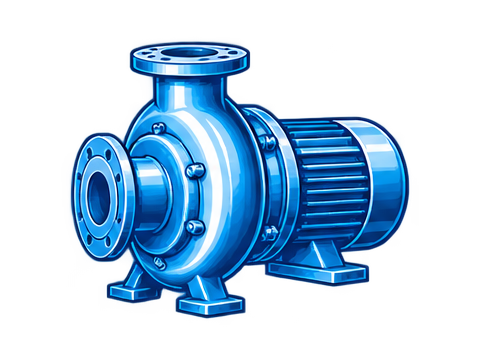
A rotating impeller transfers energy to the fluid. Selection depends on the required flow, head, fluid properties and operating range.

Useful inputs for an enquiry

  • Duty flow and total head
  • Fluid temperature and properties
  • Suction conditions and available NPSH
  • Materials and seal requirements
Discuss this category

02 / Below-surface operation

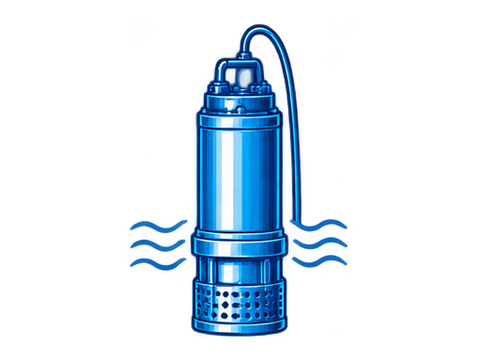
Submersible

The pump operates within the liquid. Water level, solids content, installation arrangement and access for removal shape the selection brief.

Useful inputs for an enquiry

  • Liquid composition and solids
  • Minimum and maximum water levels
  • Wet-well or installation dimensions
  • Cable route and lifting access
Discuss this category

03 / Pressure through stages

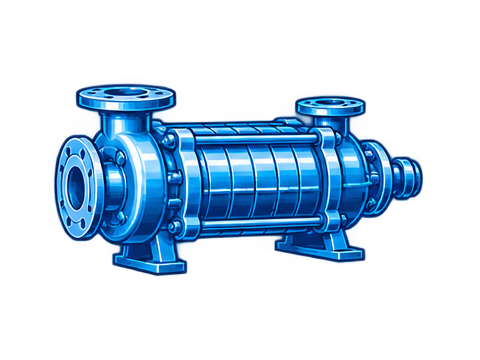
Multistage

Multiple impellers arranged in series increase head. The duty profile and fluid conditions determine whether this configuration is appropriate.

Useful inputs for an enquiry

  • Required pressure and flow range
  • Inlet pressure and temperature
  • Operating hours and demand profile
  • Installation orientation and space
Discuss this category

04 / Responding to demand

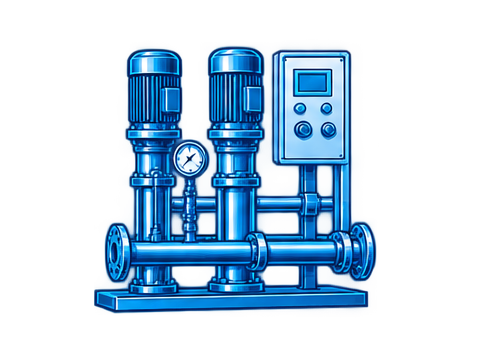
Pressure boosting

A booster system combines pumps, controls and associated equipment to respond to pressure and flow requirements.

Useful inputs for an enquiry

  • Peak and minimum demand
  • Incoming supply conditions
  • Pressure set point and zoning
  • Control and standby requirements
Discuss this category

Category guide, not a stock catalogue.No model, specification, manufacturer relationship or availability is asserted here. Final selection requires current manufacturer data and a qualified application review. Current product range and availability require direct confirmation.

Three terms that help define the duty
Flow
The volume of liquid moved per unit of time. Always include units with a required flow value.
Head
Energy per unit weight of fluid, expressed as a height. The required total head includes the system’s static and dynamic requirements.
NPSH
Net positive suction head. Available NPSH describes suction-side conditions; required NPSH comes from manufacturer data. Their relationship needs qualified review to manage cavitation risk.

Technical questions

Pump selection questions, answered

General engineering guidance for preparing a requirement. Final selection and application suitability require a qualified review of the actual system and current equipment data.

What information is needed to select a pump?

Start with the liquid and its temperature, required flow with units, total dynamic head or system layout, suction arrangement, power supply, duty cycle and site restrictions. A selection must be checked against manufacturer performance information and the actual installation.

What is the difference between flow and head?

Flow is the volume of liquid moved per unit of time. Head expresses energy per unit weight of the fluid as a height, and must account for the system’s static and frictional requirements. Both are needed to describe a pump operating point.

When is a submersible pump considered?

Submersible pumps operate in the pumped liquid. Liquid composition, immersion depth, solids content, access for removal and electrical protection are key parts of the assessment.

Why might a pressure booster system be needed?

A booster system may be considered when the pressure available to an installation does not meet the changing demand. Required minimum and peak flows, pressure zones, incoming supply and control strategy need to be evaluated.

Can a model number alone confirm a suitable replacement?

No. Confirm the existing nameplate, operating duty, installation interfaces, fluid, supply, allowable performance range and manufacturer compatibility before choosing a replacement.