
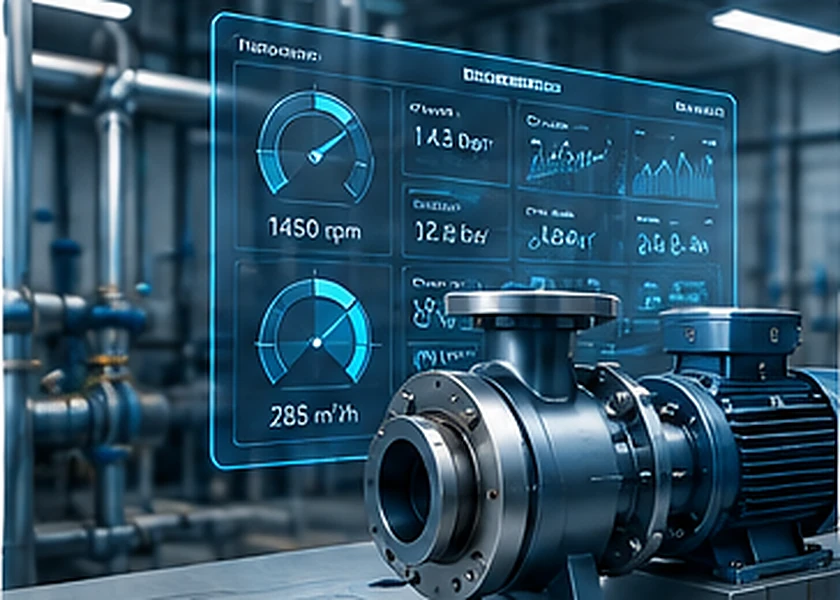
Condition monitoring is most valuable when measurements describe how a pump changes over time. A single reading can indicate a problem, but trends are often more useful for interpreting changes in vibration, temperature or operating duty.
Monitor the complete operating context
Collect vibration and bearing-temperature observations alongside suction and discharge pressures, flow, motor load and speed when those measurements are available. Comparing readings made under very different operating conditions can lead to misleading conclusions.
Build a meaningful baseline
Record stable readings after verified commissioning or maintenance, then establish a repeatable measurement schedule. Alert thresholds should consider equipment design, criticality, site experience and the applicable vibration standard rather than an arbitrary universal value.
Turn trends into action
- Investigate sustained changes rather than isolated spikes alone.
- Correlate operating changes with process conditions.
- Record interventions so later trends have context.
- Escalate abnormal conditions through the site reliability procedure.
Monitoring supports maintenance decisions; it does not replace inspection, safeguarding or manufacturer-specified limits.
This technical article provides general educational information. Final selection, installation and maintenance require appropriate professional review and current equipment documentation.
Back to the notebook